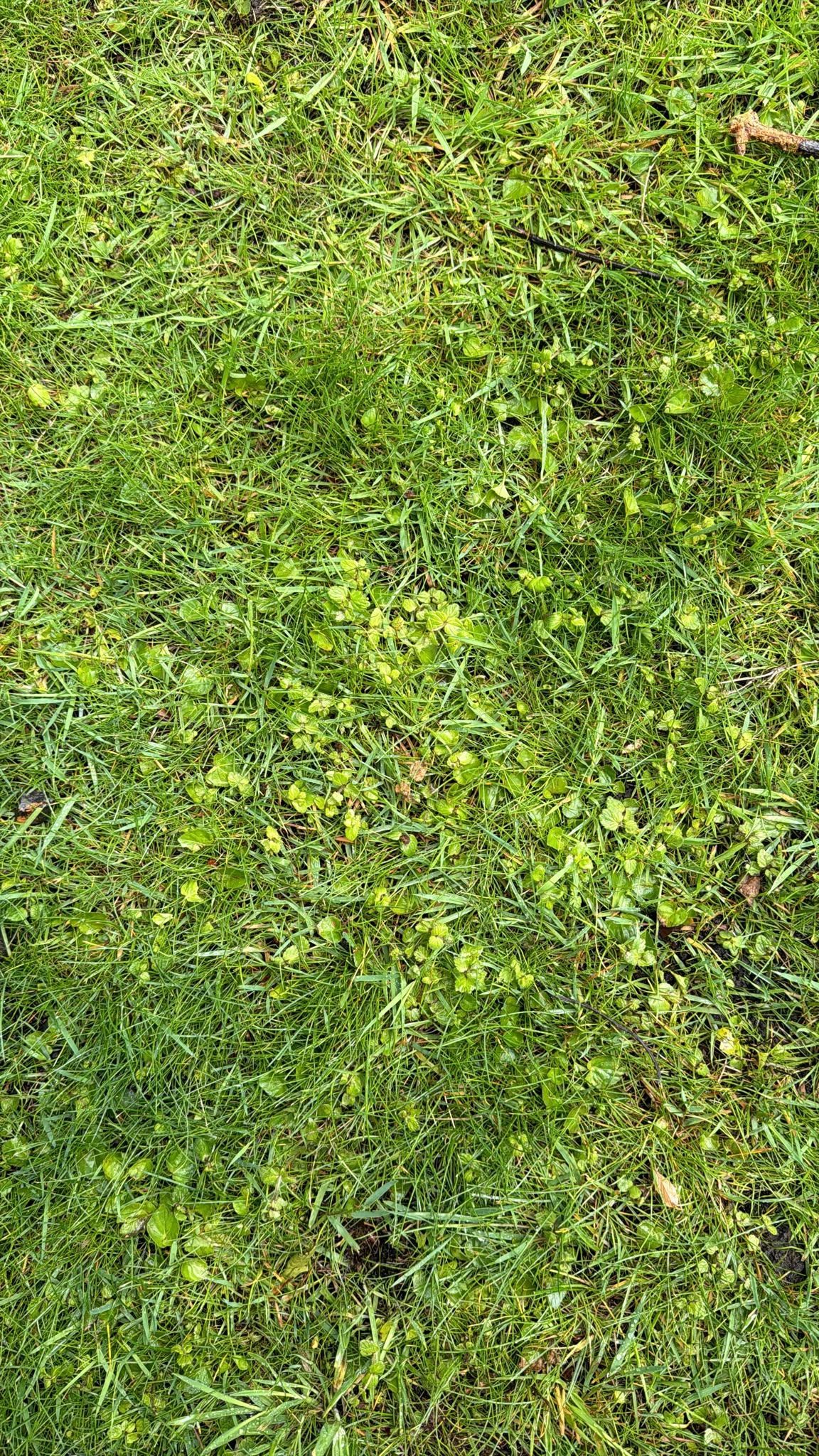
If you've noticed small, creeping stems with rounded green leaves carpeting patches of your lawn - delicate blue flowers in spring - you've likely got speedwell. And if you've already tried tackling it with off-the-shelf weed killer, you've probably discovered what makes this weed so frustrating.
It doesn't respond like other lawn weeds.
Speedwell has earned its reputation as one of the most stubborn weeds you'll find in managed turf. Not because it's impossible to control, but because it requires a different approach to what works for dandelions or clover.
What Makes Speedwell So Difficult to Control?
The two most common varieties you'll encounter are Slender Speedwell (Veronica filiformis) and Germander Speedwell (Veronica chamaedrys). Both are perennial weeds that spread through creeping stems and underground runners, rooting as they go.
The real problem?
Speedwell is resistant to most selective herbicides - the kind designed to kill weeds without harming your grass. Even professional-grade products struggle with it. And because it spreads from loose fragments, every time you mow an infested area without collecting the clippings, you're effectively planting more of it across your lawn.
Why Retail Weed Killers Don't Work
Most consumer weed killers simply aren't formulated to tackle speedwell effectively. The RHS confirms that speedwells are resistant to the majority of lawn weedkillers available to amateur gardeners.
You might see some yellowing after the first application. Perhaps a few leaves die back. But within a couple of weeks, it's growing again - often more vigorously than before.
That's not a fault with your application technique. It's the nature of the weed itself.
The Chemical That Actually Works on Speedwell
If you're going to use a selective herbicide, you need one containing fluroxypyr. This is the active ingredient that's proven most effective against speedwell varieties.
But here's what retail products won't tell you clearly: you will need multiple applications.
A single treatment rarely eliminates speedwell completely. The professional approach involves targeting the younger leaves during active growth periods, checking the spread, and gradually weakening the plant over several treatments spaced throughout the growing season.
Consumer products like Verdone Extra or Weedol contain fluroxypyr, but at lower concentrations than professional formulations. This means more applications are typically required to achieve control - and even then, 100% elimination is rare.
Why Professional Treatments Are Different
Professional lawn care specialists have access to enhanced formulations that aren't available to the public. These aren't just "stronger" versions of what you can buy - they're specifically designed for persistent weeds like speedwell, with higher concentrations of fluroxypyr and the ability to create bespoke treatment mixes.
More importantly, professionals understand the treatment timing.
Speedwell needs to be tackled when it's actively growing and when the younger leaves are most receptive to herbicide uptake. Miss that window, and you're wasting product and time.
Even with professional-grade treatments, speedwell control is about managing expectations. The goal isn't always complete eradication in one go - it's systematic reduction over multiple visits, combined with cultural practices that prevent recolonisation.
The Non-Chemical Approach
If you'd rather avoid herbicides altogether - or want to support chemical treatments with better lawn management - focus on these practices:
Box off your clippings religiously. Every time you mow an area with speedwell, you risk spreading fragments that will root elsewhere. This is non-negotiable if you want to contain the problem.
Rake before mowing. Speedwell grows low and flat - your mower blade often passes right over it. Raking lifts the creeping stems so they actually get cut.
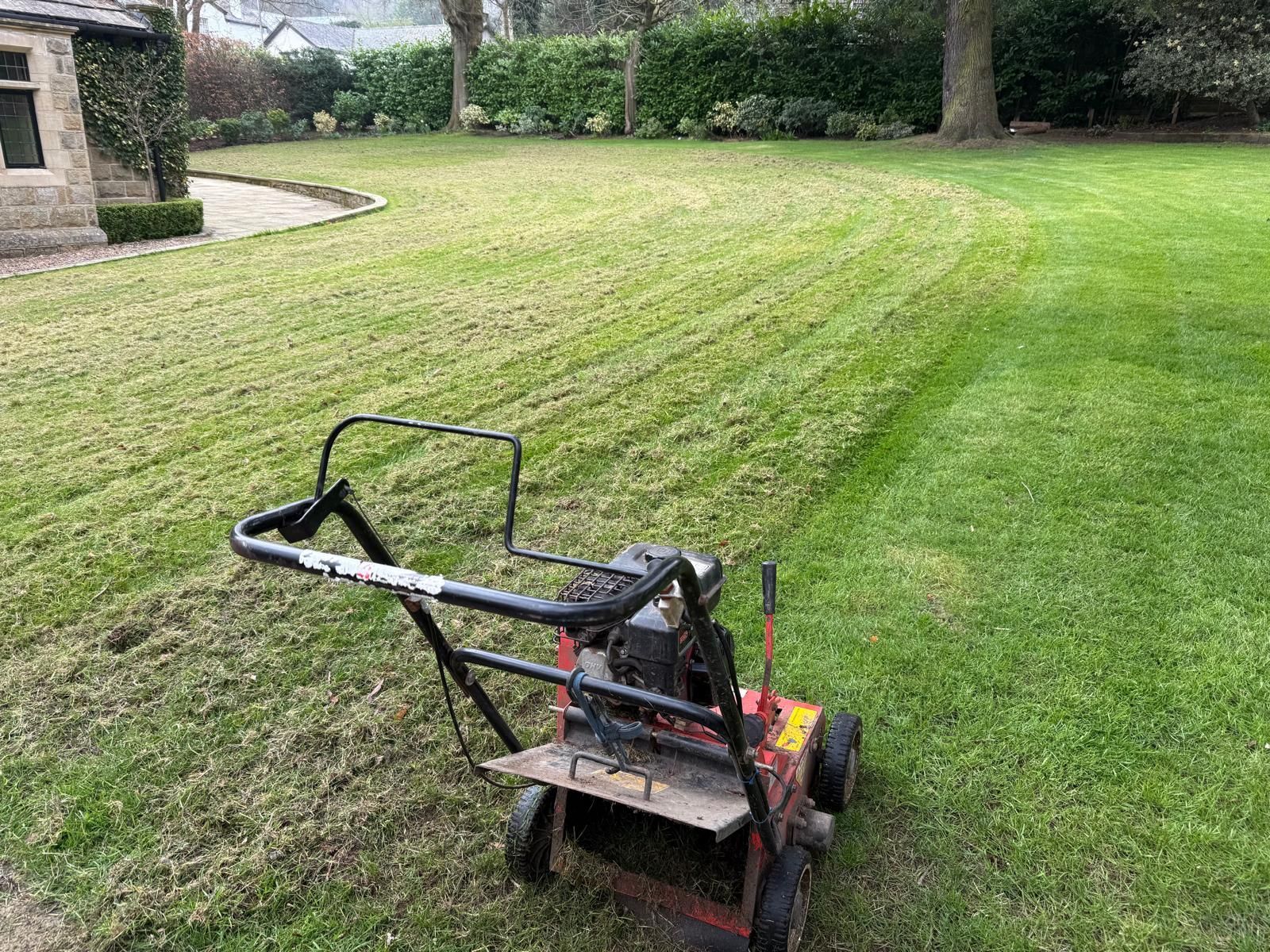
Scarify in autumn and spring. This removes thatch and tears up the creeping stems. Again, collect everything - don't leave fragments on the lawn.
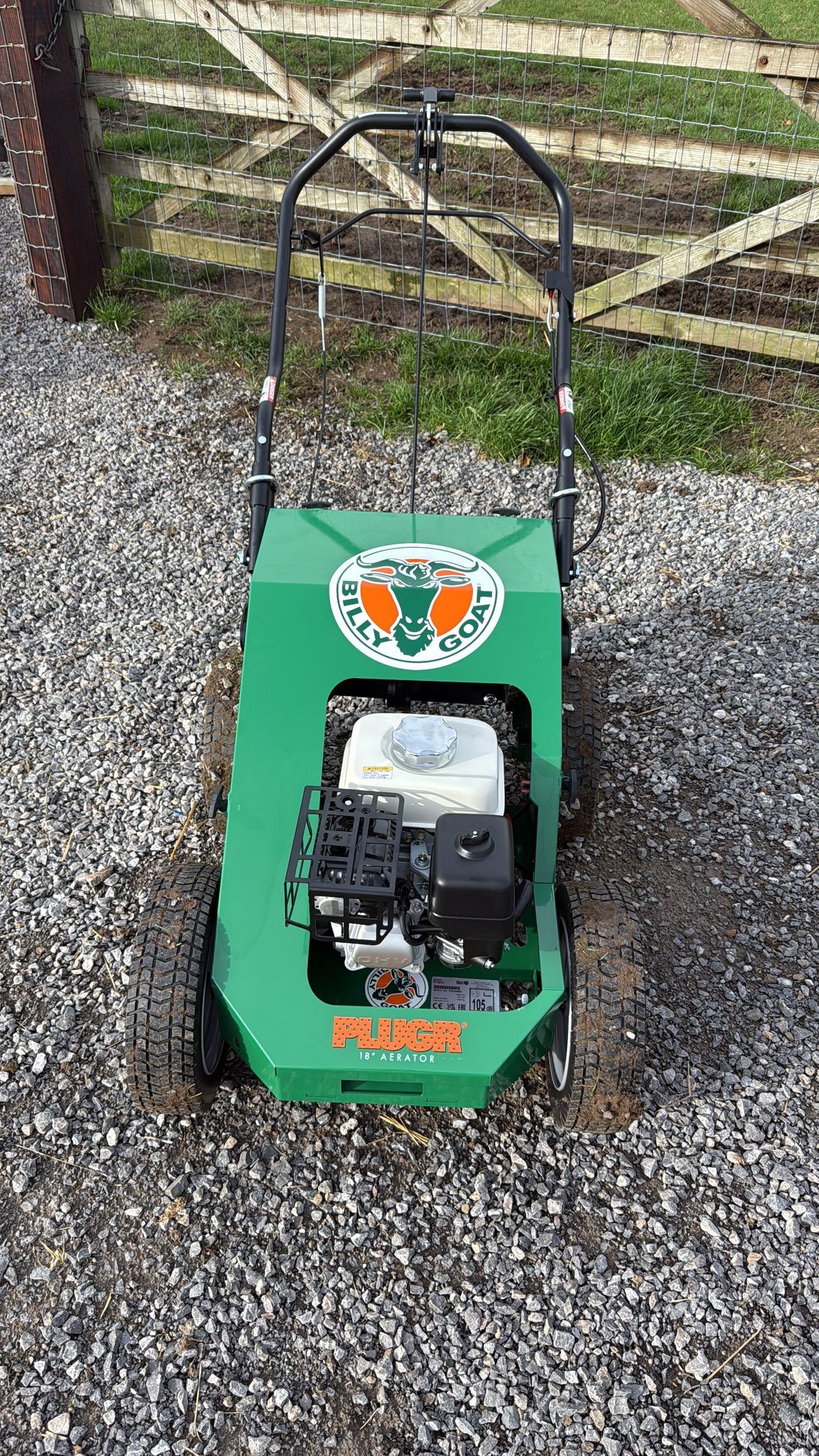
Improve your lawn's density. Speedwell thrives in thin, weak turf. A properly fertilised, well-aerated lawn with dense grass coverage gives speedwell far less opportunity to establish. Regular feeding, aeration, and overseeding are your best long-term defence.
For small, isolated patches, hand-digging is the only guaranteed removal method - though you'll need to extract every fragment of root and stem, or it'll regrow.
Realistic Expectations for Speedwell Control
I won't promise you that speedwell disappears after one treatment.
It doesn't - not with retail products, and often not even with professional-grade herbicides.
What works is a combination approach: fluroxypyr-based treatments applied at the right time, repeated as necessary, alongside rigorous lawn maintenance that prevents spread and strengthens the grass.
If you've got extensive speedwell coverage across your lawn, expect this to be a season-long project rather than a one-and-done job. Multiple treatments spaced several weeks apart, coupled with scarification, feeding, and careful mowing, will gradually push the balance back in favour of your grass.
The alternative - trying to solve it with a single application of something from the garden centre - rarely delivers the results you're hoping for. Not because you've done anything wrong. Speedwell simply doesn't respond to that approach.
If you're dealing with persistent speedwell and want a professional assessment of what's actually achievable for your lawn, that's the kind of bespoke problem-solving we do. No one-size-fits-all programmes. Just honest evaluation and targeted treatments using products that actually make a difference.
Call us: Ilkley 01943 461694 | Ripon 01765 699753
Email:
lawns@lawnforce.com