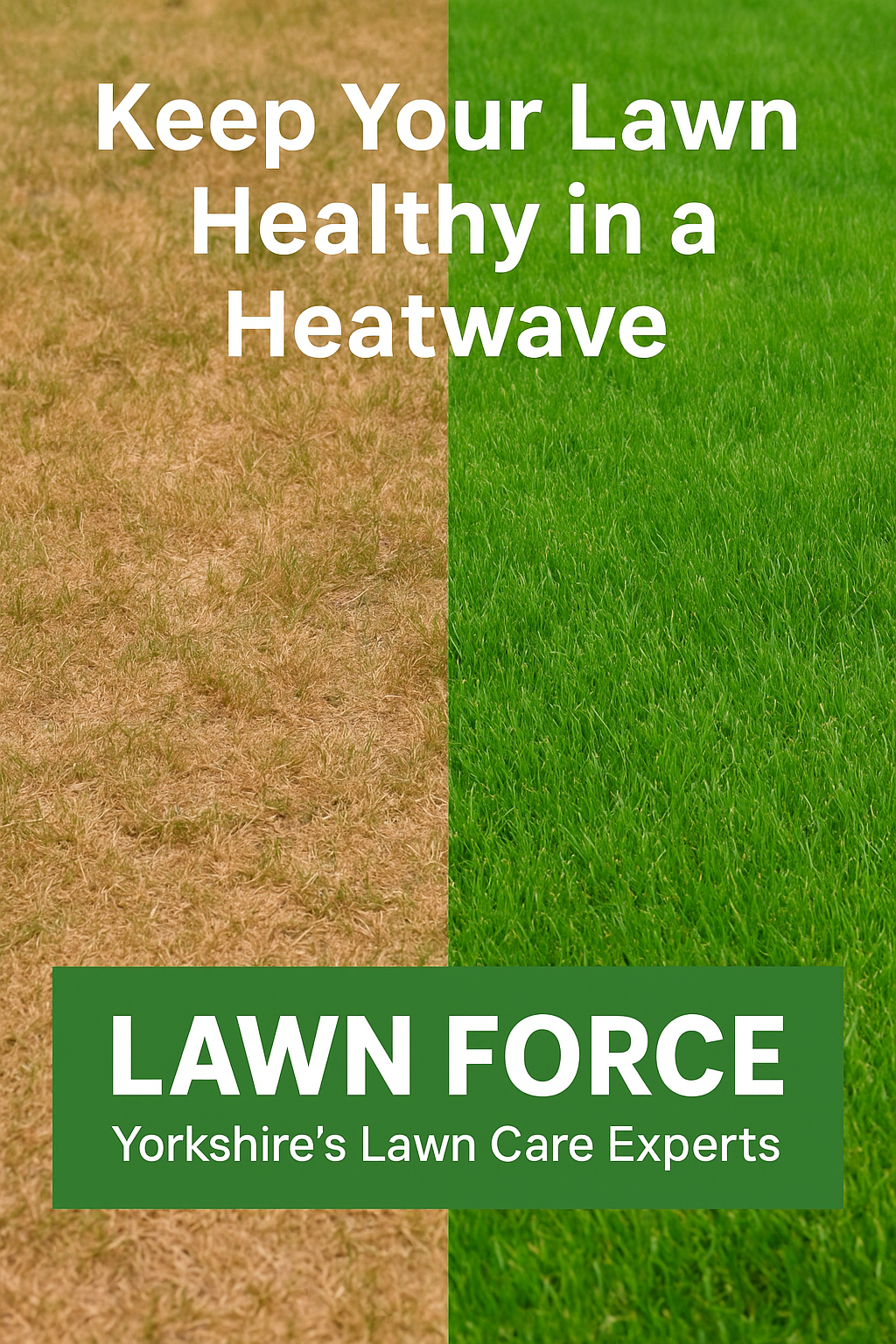
There's a moment in every hot spell when I spot a lawn that's been scalped – cut right down to the roots – and I already know what's coming. Within days, the stress shows. Brown patches. Thinning turf. A homeowner who can't work out why their lawn's deteriorating despite all the effort.
The fix? Sounds too simple. Raise the height of your mower deck.
What Actually Happens When You Cut Too Short
When temperatures climb and rainfall drops, cutting your lawn short removes the very thing that protects it. Those grass blades aren't just there for appearance – they're working. Longer grass shades the soil beneath, which keeps surface temperatures lower and slows evaporation. That means moisture stays in the ground where your roots need it, rather than disappearing into the air.
Short grass exposes soil to direct sunlight. Surface temperatures increase, evaporation accelerates, and your lawn starts losing water faster than it can replace it. The University of Minnesota Extension recommends raising mowing height by 1 inch in mid-summer specifically to help turf tolerate heat and drying winds.
The Root Connection You Can't See
Here's what most people don't realise: the length of your grass above ground directly influences what's happening below it. Longer blades harvest more energy from the sun through photosynthesis, and that energy gets converted into deeper, more extensive root systems.
When roots grow deeper, they can access moisture from lower soil layers – moisture that's still there even when the surface has dried out. Research from Michigan State University shows that higher mowing heights increase root mass, which directly improves drought tolerance.
Cut it short and you restrict that root system. The grass can't absorb water or nutrients as effectively. It becomes vulnerable.
What Height Should You Actually Use?
During typical conditions, many Yorkshire lawns do well at 25-30mm. When dry heat arrives, raise that to 40-50mm.
That extra length:
- Gives the grass more leaf coverage to produce food and sustain deeper roots
- Protects the crown (base) of the grass plant, which is vital for its survival
- Shields the soil from excessive evaporation
- Keeps the root zone cooler during heat stress
The RHS advises that if growth slows significantly in dry conditions, you should mow less often and raise the cutting height to encourage deeper rooting. If growth stops entirely, stop mowing altogether until conditions improve.
The One-Third Rule Still Applies
Even when you're raising height, never remove more than one-third of the grass blade in a single session. Cutting more than that shocks the plant, especially during hot, dry weather when it's already under stress.
If you've let the lawn grow longer during a dry spell, raise the deck gradually over two or three cuts rather than taking it all off at once.
The Bonus: Natural Weed Suppression
Taller grass creates a shading effect on the soil surface, which reduces germination of weed seeds – particularly crabgrass. The denser canopy crowds out competition, meaning you're working with the grass's natural growth pattern rather than constantly fighting against weeds that thrive in exposed, stressed turf.
When Not to Mow at All
If temperatures hit 30 degrees or your lawn has gone dormant (turned brown and stopped growing), skip mowing entirely. Above 32 degrees, grass loses moisture faster than it can replace it, and mowing strips away the leaf blade that shields the roots from sun exposure.
Wait for cooler conditions or rainfall before you cut again.
It's Not Just About Summer
Maintaining a slightly higher cut year-round – 3 on the lawn mower for most cool-season grasses – creates a lawn that's more resilient from the start. Taller grass means deeper roots, which means better access to water, fewer weeds, and an overall healthier lawn that recovers faster from stress.
The Simple Change That Makes the Difference
Adjusting your mower deck height sounds almost too straightforward to matter. But when dry heat arrives, it's one of the most effective things you can do to help your lawn survive without intensive intervention. Longer grass shades the soil, encourages deeper roots, retains moisture, and suppresses weeds – all without any additional inputs or cost.
Most clients who make this adjustment notice the difference within weeks. The lawn stays greener longer, recovers faster after rain, and shows significantly less stress during prolonged dry spells.
If you're struggling with drought stress year after year, raising the height of cut might be the single most impactful change you can make.